GMOs are safe-Ruto reiterates in a media roundtable
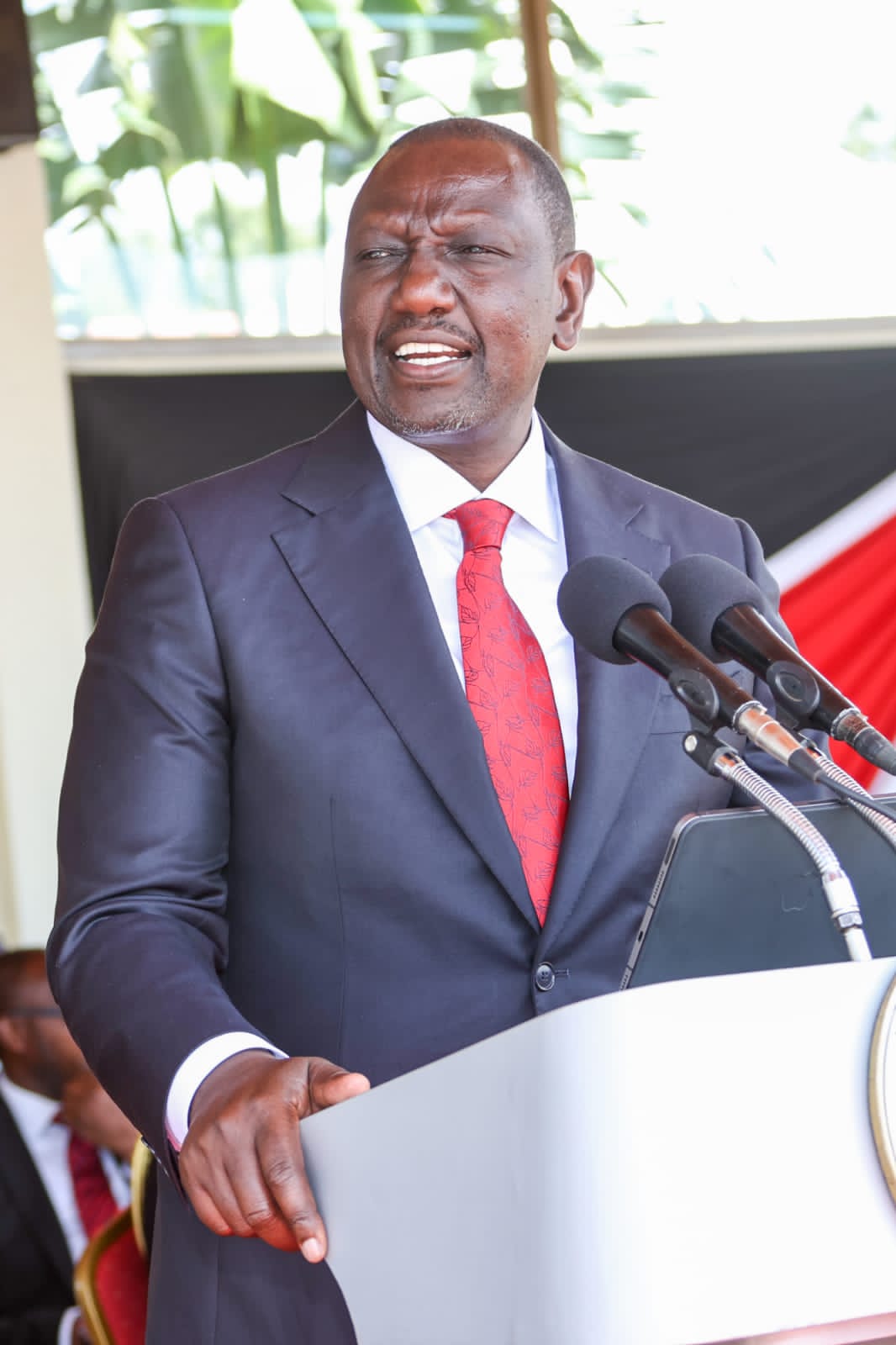
William Ruto, Kenya's President recently reiterated his pro-GMO stance as he engaged in a wide-ranging roundtable discussion with Kenyan journalists.
Ruto who has been in the cross hairs of anti-GMO groups and individuals, including some who claim he refuses to rely on science to determine the safety of GMO products, defended his government's decision to repeal a ten-year GMO ban by stating that there was insufficient proof that GM crops were damaging to people's health.
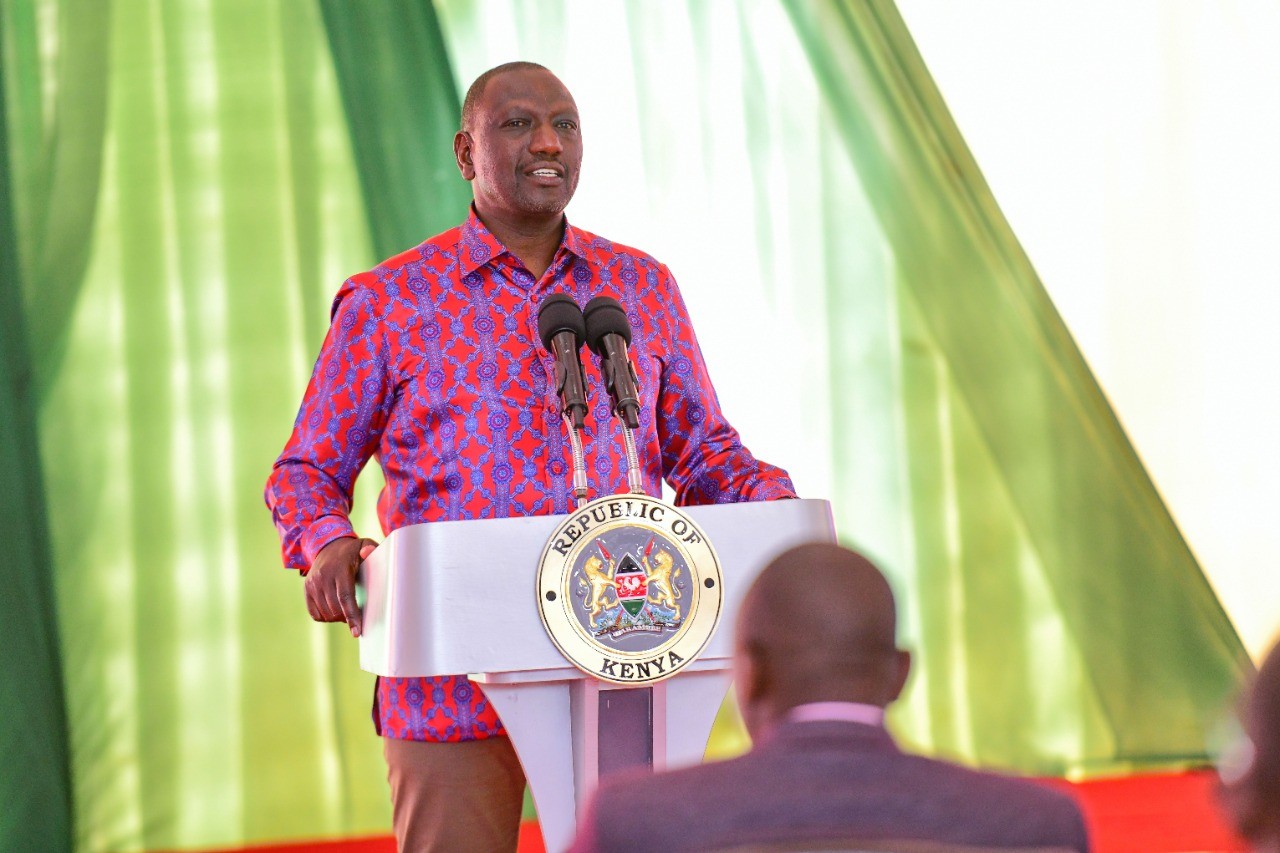
Under his leadership, Kenya lifted a ten year moratorium on the cultivation and importation of GMOs in October 2022 ostensibly to reshape the country's agricultural sector and feed hundreds of its drought-stricken residents.
By all accounts, the decision was taken after considering expert opinions and technical reports from organisations such as the Kenya National Biosafety Authority and the Food and Agriculture Organization, among others.
Agriculture accounts for 20% of Kenya's GDP. The country has the largest economy in East Africa.
During the roundtable discussion, Ruto, who was instrumental in the development, adoption and implementation of Kenya's National Biotechnology Awareness Creation Strategy and who supported the passage of the country's Biosafety Bill into Law, made an effort to allay fears about GMOs.
"I am a scientist, and scientists world over agree that GMOs are not harmful to human beings. There is no evidence suggesting GMOs are harmful to human health. There is no woman who has grown beards because of consuming GMOs. I haven't grown breasts despite taking GMOs regularly," Ruto said.
His remarks elicited a wide range of responses, including several from experts in Kenya's scientific and agricultural ecosystem.
Agricultural scientist, Dr. Paul Chege briefly expressed support for the President on social media, tweeting that the President was spot on and that he was one of the scientists who would echo his statement.
Dr. Dennis Adison Ouma, a food science expert wrote,
"Professional scientists agree that GMOs are safe globally. GMOs are safe, embrace biotechnology. The future of agriculture, nutrition and food security will greatly rely on biotechnology."
"There is no issue with GMOs, commented Paul Peter Muthanga, a technical and standards specialist in agriculture in response to a tweet published by Standard Digital, the e-paper platform of the Standard daily, one of Kenya's largest newspapers.
"The problem is integrity, and we know what happens in most sectors in Kenya. How do I confirm that it's actually a specific trait that has been modified and not the other? There's no problem making maize and other crops tolerant to drought and pests," Muthanga concluded.
Dr. Francis Wamonje, a researcher in Entomology, Genomics and plant molecular virology also sought to clear the air stating that genetically engineered crops are developed to address a specific problem and that there was a public record of what modifications were made and why and what has been approved and for how long.
Using South Africa and the United States as examples of countries where genetically modified organisms are consumed without harm, Ruto stated that his goal was to ensure that Kenya was food secure and that no Kenyan died from hunger.
"My goal is to see that the high expense of living is eliminated and that the enduring problem of Kenyans dying of hunger 60 years after independence is resolved," he stated.
Following the lifting of the ten-year GMO ban last year, Kenya received support from a lobby of African scientists under the Network of African Science Academics, led by Prof. Ratemo Michieka, chairman of the Kenya National Academy of Sciences.
The scientists were in Nairobi for the annual African Science Academies meeting, where they discussed, among other things, gene editing and biotechnology approaches to sustaining food security and nutrition, climate change, science diplomacy, capacity building, and communication for sustainable agriculture in Africa.
The scientists assured Kenyans that GMO products were safe and did not pose a danger whatsoever to indigenous crop varieties.
Last month, researchers from the University Biotechnology Consortium, an umbrella organisation that brings together all biotechnology scientists from Kenya's institutions of higher learning, were quoted in Kenyan media as saying GMOs were safe.
Prof. Richard Oduor, Registrar of Research, Innovation, and Outreach at Kenyatta University, and other researchers who attended a consultative meeting with experts in nutrition, toxicology, environmental science, and health recommended that political leaders learn more about GMOs and other agricultural technologies to help dispel biotechnology myths.
When you subscribe to the blog, we will send you an e-mail when there are new updates on the site so you wouldn't miss them.
About the author

By accepting you will be accessing a service provided by a third-party external to http://masaabachronicle.com/
Comments