Is integrating water, energy, and food systems critical to climate adaptation and sustainability?
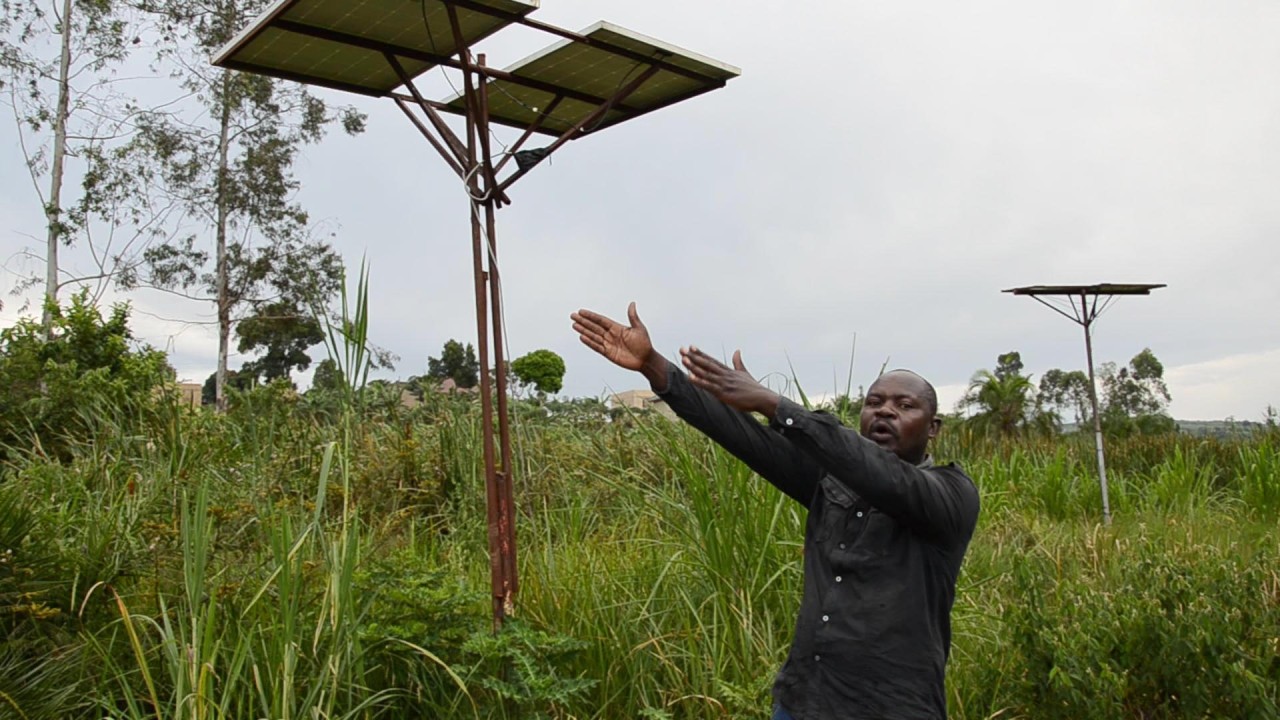
On his farm in Bunashimolo parish, Bushiende sub-county, Mbale, eastern Uganda, 47-year-old Andrew Wangota uses small scale agrivoltaics technology—the combination of solar energy (raised photovoltaic (PV) solar panels) with agriculture.
The technology, which is a critical component of the Water-Energy-Food (WEF) Nexus, has enabled Wangota, a father of two, to boost agricultural output and mitigate climate change-related impacts such as drought, water stress, and scarcity in the last three years.
Wangota is, however, one of only a few farmers in Bunashimolo who could afford the upfront fees for this increasingly popular but hitherto expensive Water-Energy-Food (WEF) Nexus technology, which was promoted by a private sector agriculture organization.
According to sustainability expert Fredrick Mugabe, the slow adoption of this and other Water-Energy-Food (WEF) Nexus technologies among rural farmers is a result of a lack of government awareness and understanding of the Water, Energy, and Food Nexus, which the UN has identified the Water, Energy, and Food Nexus as a critical link for achieving multiple Sustainable Development Goals (SDGs), including goal 2 zero hunger and goal 7 affordable energy, as well as implementing the Paris Climate Agreement.
"This Nexus has generally taken a while to develop in Sub-Saharan Africa and Uganda, where the country's SDG Index score of 56.1 indicates that there are still major obstacles to overcome in order to achieve goals like hunger reduction, access to clean energy, and clean water," he explains.
"There is still work to be done because water, energy, and food are among the six priority areas in Uganda's long-term strategic framework for transformation into a modern and prosperous nation within 30 years, which is the Vision 2040," says Mugabe.
By all accounts, water, energy, and food are all key to Africa's development agenda, notably Agenda 2063, which calls for increased food, energy, and water security as a prerequisite for unlocking the continent's economic progress. However, only 6% of Africa's quantitative SDG targets are projected to be met by 2030.
Why the water, energy, and food nexus remains underdeveloped.
According to Elizabeth Lusweti, a Kenyan hydrologist and researcher, the slow development of the Water, Energy, and Food Nexus in Africa can be attributed to factors such as insufficient financial investment, limited research attention, a lack of stakeholder understanding of the strategy, and weak institutional and governance structures.
In contrast, the 2023 Water, Energy, Food Nexus index indicated that the Nexus's slow development was due to inadequate infrastructure and inexperience in managing the three resources.
What happens if this Nexus approach is deliberately put into practice?
In view of Africa's growing population and changing climate, Mugabe argues that if the Water, Energy, and Food Nexus were purposefully implemented, great strides would be made in attaining the Sustainable Development Goals (SDGs), especially those pertaining to environmental sustainability, food security, and poverty alleviation.
Tafadzwanashe Mabhaudhi, the lead for the Water-Energy-Food-Environment Nexus at the United Nations University Institute for Water, Environment, and Health, agrees, stating that the Water, Energy, and Food Nexus directly addresses SDGs 2, 6, and 7, with strong interlinkages and interdependencies with SDGs 13, 14, and 15.
"The emphasis on collaboration, coordination, and inclusive partnerships highlights SDG 17. As such, this Nexus strategy promotes SDG integration and synergies, which may help expedite SDG success across Africa as a whole. The outcomes would have synergistic effects on multiple socio-economic SDGs. There are good examples of this from across Africa, such as agrivoltaics," explains Mabhaudhi, who also serves as a professor of Climate Change, Food Systems, and Health at the London School of Hygiene and Tropical Medicine.

According to Lusweti, implementing the Nexus strategy in a systematic, multi-step, and pragmatic manner will help alleviate climate threats.
"It will increase resilience and promote long-term development by reducing climate vulnerability through good resource management that protects communities from climate extremes like flooding and drought. Effective management of water, energy, and food resources will safeguard the environment and build economic resilience, providing the groundwork for long-term sustainable development."
Meron Teferi Taye, a climate scientist and researcher at the International Water Management Institute, believes that implementing this Nexus agenda is critical given Africa's limited water, food, energy, and finance resources, as well as the fact that extreme weather events such as heatwaves, rising temperatures, droughts, and floods are exacerbating food, water, and energy scarcity.
"This Nexus approach promotes resource efficiency across three sectors: water, energy, and food, as well as the use of renewable energy sources, sustainable agriculture practices such as agroforestry and conservation agriculture, and identifies trade-offs and synergies between water, energy, and food resources. It will help to enhance water management. Using renewable energy sources and increasing energy efficiency can boost energy security and reduce reliance on fossil fuels."

She goes on to add that the Nexus agenda's promotion of sustainable practices and resource efficiency, which encourages climate resilience and lowers emissions, makes it a crucial component of the Paris Agreement.
There is a genuine need, according to Mabhaudhi, to build capacity and strengthen awareness of the positive gains of adopting and investing in the WEF Nexus approach.
"At the moment, not enough is being done to highlight the advantages of implementing this Nexus approach in Sub-Saharan Africa." Greater awareness, capacity building, and technical assistance to member states are needed in regions such as East Africa, which are experiencing increased water, energy, and food insecurity, as well as socioeconomic vulnerabilities."
"Policy coherence and institutional arrangements/frameworks are required to foster cross-sector collaboration, coordination, planning, and resource sharing. Currently, there are institutional overlaps and silos that cause redundancy and inefficiencies, thus undermining the SDGs," Mabhaudhi adds.
Can the Nexus agenda's implementation be aided by climate finance?
Mabhaudhi believes that climate finance is a vital enabler for implementing the Water, Energy, and Food Nexus and accelerating SDG progress.
"This Nexus approach is useful for building a business case for accessing climate funds that provide a positive return on investments and are catalytic for broader sustainable development, balancing people and planetary goals."
When you subscribe to the blog, we will send you an e-mail when there are new updates on the site so you wouldn't miss them.
About the author

By accepting you will be accessing a service provided by a third-party external to http://masaabachronicle.com/
Comments