Music as a vehicle of protest against social injustice
While not all music genres take the liberty to speak out often against social injustices, there are those to whom it has become an incumbent duty, too.
From the years of old, Hip Hop, Reggae and R&B have been the exception to the rule; using their musical platforms to speak out regularly against societal injustices.
And it is not only in the United States or Jamaica, where popular genres of music have been used as calls to action and as vehicles of protest against injustices.
In Uganda, Hip Hop artists such as Babaluku and the group-De-PPI have spoken out against vices such as corruption, inequality, environmental degradation, and the crushing realities of poverty on songs such as "Tukoye Eno embela", and "Tugendawa" among others.
In light of the recent happenings in the U.S, one can factually argue that the worlds of Hip Hop, Reggae, and R&B already took an assertive stance against what seems like sustained and orchestrated racism and police brutality against African Americans in the U.S.
The genres foreshadowed some of the injustices happening today and have for good measure, harnessed their platforms to critique the structures of racism through songs such as "Changes" and "Trapped" by the late 2pac, "Die Young" and "A lot of love" by Chris Brown "Da Police" by Krs One, "One Blood" by Junior Reid" Black Rage" by Lauryn Hill, "Equal rights" by Peter Tosh, "F the Police" by NWA, "Freedom" by Beyonce, "Fight the Power" by Public Enemy, "What happens" by the Lox, "A change gonna come" by the late Sam Cooke among others.
"Those songs speak to some harsh facts. Long before, social media videos drew forth protests, like those which unfolded in the aftermath of George Floyd's death, Hip Hop, Reggae and R&B were already in the business of putting out message driven-protest songs which sparked meaningful conversations on troublesome issues such as the mass incarcerations of young men of colour, the lack of justice for men and women of colour killed in cold blood, among other issues," Lawrence Okwalinga, a Ugandan hip hop social activist, says.
Here are some stand out remonstration songs which have brought awareness to the harsh political, economic and social realities of African Americans and other peoples of colour across the globe.
In the song "Diallo", Wyclef Jean and Youssou N'Dour told the story of the late Amadou Diallo, a young Guinean immigrant who was hit by 19 fatal rounds outside his apartment in the Bronx-New York by plain-clothed New York Police officers who mistook him for a serial rape suspect in 1999. The cops ostensibly thought he was pulling out a weapon, yet it was a wallet.
Though the four Police officers involved were initially charged with second-degree murder, they were later acquitted. In a way, that outcome lent credence to narratives, some rappers had always told of judicial indifference to police officers who murder people of colour.
"The upshot was acrimony and protests in New York and beyond, though the Diallo protests pale in comparison to the protests that have taken place in the wake of Arbery and Floyd's death," Musician Tshaka Mayanja says.
Later, Rock&Roll legend Bruce Springsteen recorded what he called the anti-tragedy song "American skin" in Diallo's memory.
The late 2pac, whose 1998 song "Changes" was recently played to the excitement of Black Lives Matter protesters in New York and whose streaming numbers have gone up since the protests began, channeled his anger and frustration about police brutality, earlier in the song "Trapped" off his debut album-2pacalypse now, which was released in 1991.
In "Trapped" 2pac let his voice be heard on police harassment of minorities.
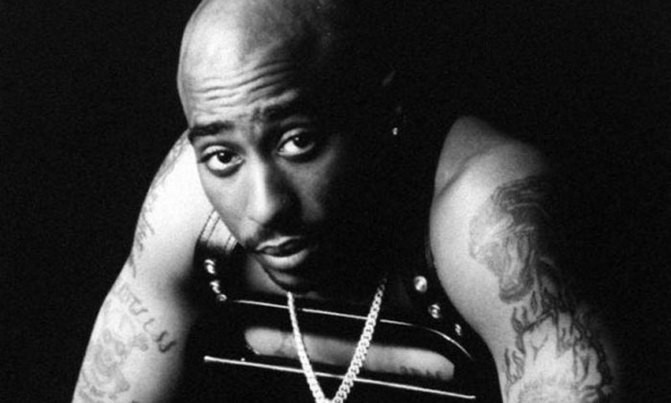
In "Changes" which, by all accounts, is still striking a chord with many across the globe, 2pac sounded off on issues such as social poverty and the mistreatment of African Americans.
He also advocated for an end to racism and poverty with lines like these;
"We gotta make a change
It's time for us as a people to start makin' some changes
Let's change the way we eat, let's change the way we live
And let's change the way we treat each other"
In the songs "Ebibuuzo" or questions, "Situka", "Time bomb" and "Freedom"-which was later banned by the Uganda Communications Commission, Bobi Wine-the the firebrand Ugandan Politician/Musician sounds off against the status quo.
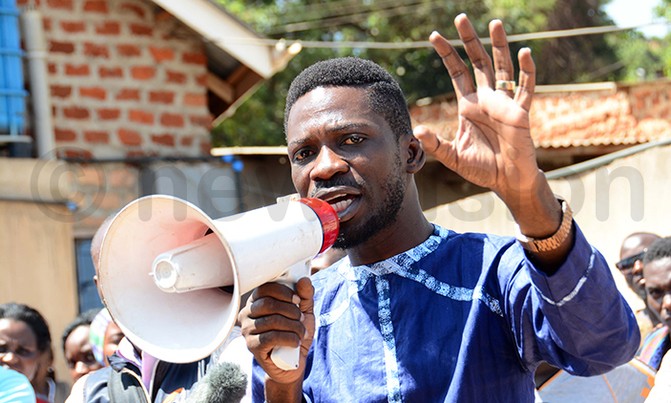
Wine also makes references to the excesses of the Uganda Police in his 2019 song "Afande". In the song, he appeals to the Police to refrain from violating the rights of citizens.
Ronald Mayinja's "Bukenke" [read fear and tension] also caused quite a storm in Uganda when it was released in 2015. The song which shines a spotlight on varied challenges, Ugandans were facing then, became one of the election campaign songs for Kizza Besigye in the 2016 general election.
The world of Reggae, which has a history of putting out protest music, has also taken a stand against racial bigotry with anti-racism songs such as 2015's "One Blood" by Junior Reid, 1977's Equal rights" by Peter Tosh, 1975's Get up, Stand Up by Bob Marley and the Wailers, among others.
In the anti-apartheid song "War and Crime" off his 1984 "Rastas never die" album, which incidentally was his first Reggae album, the late great Lucky Dube crooned about burying down apartheid and fighting down tribal and racial discrimination, in a country where blacks were often made to feel inferior.
On occasion, some of the musical voices of dissent, which castigated police violence against blacks as represented in vintage songs such as NWA's anti-police anthem- "F the Police" were profane, but they still painted vivid graphic pictures of the harsh realities, black men face.
According to Billboard, the American Entertainment media brand, streaming numbers for "F the Police" song have surged as global protests against George Floyd's killing and racism, intensify. Streams of the song were up by 272 percent at the tag end of May, to June 1st. There were 765 streams of the song in two days [ May 31 and June 1] The FBI later probed NWA over the song.
In the 2016 song-"Freedom" off her sixth critically acclaimed album "Lemonade" Beyonce and Kendrick Lamar hold no brief for racism and injustice as they salute those who take a stand against racism.
The song which received a nomination for Best Rap/Sung Performance at the 2017 Grammy Awards is in many ways a message of liberation and a call for justice.
"Fight the power" an anti-racism protest anthem by the American conscious Hip Hop group-Public Enemy also stands out for speaking truth to power with lyrics such as " We got to fight the powers that be/cause I'm black and I'm proud/ Power to the people no delay".
The song, which in 2004 was ranked at position 322 on Rolling Stone's list of the greatest 500 songs of all time, raised awareness on the socio-political harsh realities in black communities. It was off their "Fear of a black planet album" which was released in 1990.
In the wake of Floyd's death, principally between May 26th to around June 2, streaming numbers for "Fight The Power" went up a notch. The song attained an 858 percent increase in streams.
The 1987 song "Bring him back home" by the late great South African Jazz trumpeter Hugh Masekela was by all accounts, the unofficial anthem of the anti-apartheid movement in Madiba land. Masekela released the song while in exile and by that time, he had been labeled an anti-apartheid activist by the apartheid regime.
He wrote the song after receiving a letter from Madiba, who was a huge fan of Masekela's music. In the song, he made a plea to the apartheid regime to release Madiba.
In 1964 "the endearing civil rights staple "A change is gonna come" by late great Sam Cooke was released. In the song, which was off Cooke's last album "Aint that good news" Cooke expressed his desire to see a change in his community, which by then was replete with barefaced racism.
Cooke had experienced racism himself firsthand when together with his wife, they were denied lodging at a Holiday Inn in Louisiana.
Bob Dylan, often called the prophet of change recorded a couple of songs of social protest in the '60s. His most influential protest song was "Blowin in the Wind" where he addressed issues such as universal human rights, racial equality, and peace.
The song later became an anthem for the civil rights movement.
Dylan's other protest song was "Hurricane" from his 1975 "Desire" album, where he tells the story of the false imprisonment of black boxer Rubin "Hurricane" Carter and took a swipe at a malfunctioning American criminal justice system.
Carter, along with a friend John Artis, had been wrongly arrested for the brutal slaying of three people in a New Jersey bar and grill. The police claimed that both men, at the instigation of Carter had shot the victims as an act of racial revenge. Carter, on the other hand, contended that he had been arrested by a racially prejudiced law enforcement regime and was convicted by an equally bigoted jury.
It took almost twenty years for Carter's false conviction to be overturned.
When you subscribe to the blog, we will send you an e-mail when there are new updates on the site so you wouldn't miss them.
About the author

By accepting you will be accessing a service provided by a third-party external to http://masaabachronicle.com/
Comments