Message driven Music-the Ugandan Hip Hop community's contribution to the fight against HIV and AIDS
From a Ugandan perspective, Hip Hop music continues to be wrongly typecast as party-oriented music, with little to no substance, yet as a genre; Hip Hop has put out many mould-breaking songs that speak, for instance, to its protracted fight against HIV and AIDS.
What is unfortunate; however is that the audios and videos of some of those conscious Hip Hop songs like New Hope Squad’s-“It’s never too late”, SP Omugujule’s-“Lwavawa” and GNL’s “Story Ya Lukka” never got any significant traction in the media.
"Story La Lukka" may, however, be an exception, here as it was warmly received.
“Blame that on the cold shoulder treatment, Ugandan Hip Hop music has always gotten. If skeptics care to listen, however to any of the above songs; which all essentially raise awareness on HIV/AIDS, they will realize conscious Hip Hop promotes values to its listeners,” Nelson Dramuke, a filmmaker and creative visual director, says.
“There is a philosophical side to Hip Hop which speaks to serious issues like HIV and in line with this year’s World Aids day theme-which is Communities making a difference, it would be good to shine light on some of the Hip Hop community’s musical contributions to the fight against HIV/AIDS in Uganda,” Silas Balabyekkubo, also known as Babaluku, a Ugandan Hip Hop icon, says.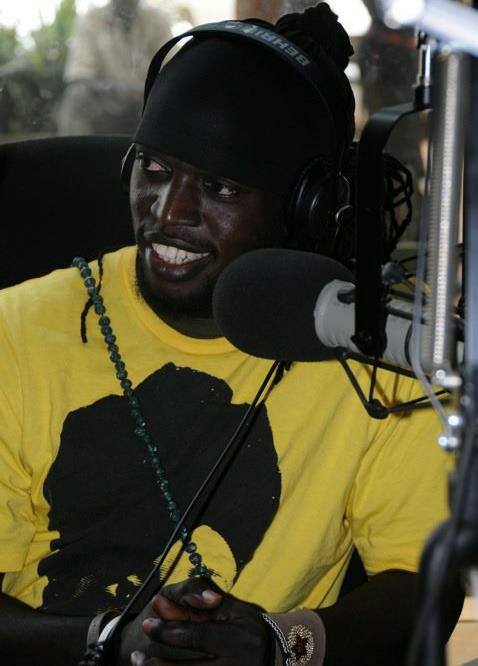
The lyrics to “It’s never too late”, “Story Ya Luka” and Lwavawa among other songs, paint grim pictures about the consequences of irresponsible behaviour. The songs also encourage the youth to embrace safe sex practices.
From the years of old, conscious Lugaflow artists such as Babaluku, GNL, the late Mulekwa, B.B Muwanvu Muwanvu, Cosine and upcountry conscious Hip Hop artists such as Lumix, Jungle, Supaman, endeavoured to have wide representations of HIV/AIDS in their song lyrics.
The 2010 poignant song “Story Ya Luka” by Ugandan Hip Hop legend-GNL Zamba was a powerful gem in that regard.
The song, which showcased GNL’s unrivaled storytelling skill-set is a call to action for all Ugandans to fight HIV, to avoid stigma and to treat people living with HIV-humanely.
Essentially, the song tells the story of Luka-a young high roller/ bar hopper, who in his moments of indiscretion contracts HIV.
The song was later selected by Uganda’s Health Ministry to headline a 2010 AIDS youth education campaign in which GNL himself played a leading role.
“In those campaigns, we spread messages about the need for Ugandan youth to practice safe sex and to fight the widespread stigma which existed then against people living with HIV. Some of them had gotten the disease, through unfortunate circumstances,” Zamba says.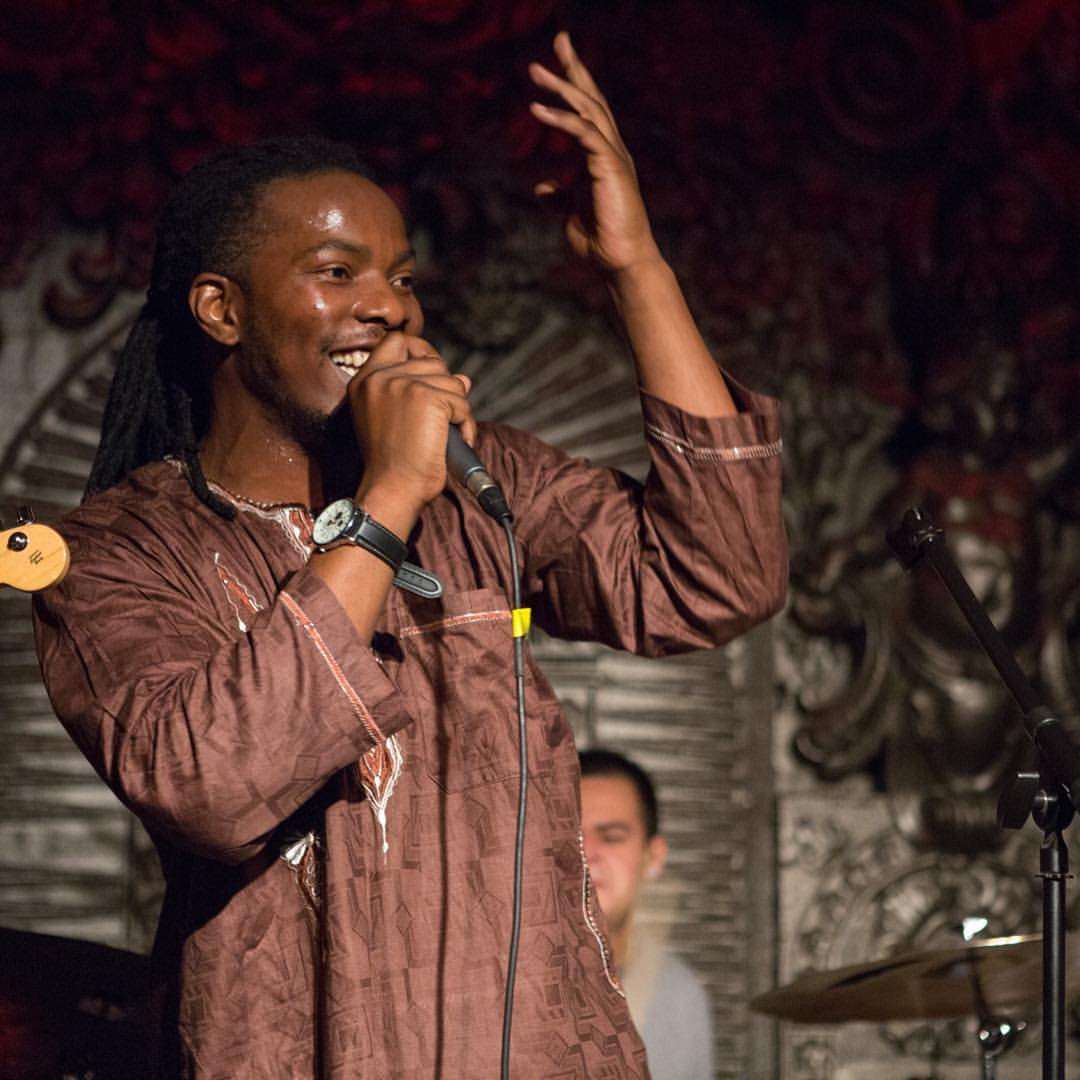
“Our campaign was a double-edged sword in the sense that we used music and word of mouth campaigns. At that time, Hip Hop spoke and it showed its strength in the way it impacted the youth.”
Dramuke says “Story Ya Luka” resonated with him on account of its fascinating storytelling narrative.
“Not many Lugaflow artists were dab hands at telling stories like GNL at that time. The first time I heard that song, the message just stuck.”
In subsequent years, GNL recorded more potent songs that speak to Hip Hop’s role in the fight against HIV like the 2014 thought-provoking song-“We Cry”. The song features GNL’s wife-Miriam Tamar.
In the song’s first verse, GNL tells a sad chronicle about a young vulnerable girl who is trapped in a guest house with a man who has been her benefactor for years. The man, who is HIV positive, later compels her into unprotected sex. After a few years, she passes on, much to the chagrin of her parents.
In the same year, the Twaweza Initiative awarded GNL for the song’s strong positive impact.
“Given that adolescent and young adults account for the majority of undiagnosed HIV positive cases; it is important to use a culturally relevant method to halt the spread of the HIV pandemic and Hip Hop fits that bill-because it appeals to many young people in Uganda,” Arnold Muduni, a Hip Hop producer at KYA studios in Kirinya, Bweyogerere, says.
“First, however the negative typecasts about hip hop have to be shed. Bubble gum and potboiler songs pushed by the likes of Fik Fameica, Mun G, Recho Ray and others will have to be put on the back burner because they give wrong impressions of the genre. ”
In the classic Lugaflow song-“It’s never too late” Mon M.C of the New Hope Squad-waxes poetic- rhyming about how HIV has taken the lives of venerable Ugandans like Philly Lutaaya and how it continues to shatter the dreams of many Ugandan families.
“That song, with its beautifully sung chorus-was way ahead of its time. Mon M.C was talking about things that are still happening today-youth recklessness and vulnerability.
He caps it all off with a reminder to the youth to stay safe through the usage of condoms and most importantly to stick to one partner,” Lady Slyke, a rapper and songwriter, says.
“Ugandan Hip Hop has several positive songs that have the educational values needed to stem and reduce the high prevalence of HIV. It should be credited for helping to reduce the prevalence of HIV among young people in the early and mid-2000s in the country,” Saint Ambrose, an I.T professional, and Hip Hop fan says.
In the song, Lwavawa-Lugaflow artist-SP Omugujule and Qreas from Western Uganda trade verses with each emphatically questioning through rhymes where the HIV monster wiping out families in Africa had emanated from.

In his first verse-SP Omugujule narrates how his brother by the names of Peter, died of HIV as a result of copulating with an infected girl after a night of fun.
Both Omugujule and Qreas cap up their last verses with calls to action for more young people to get tested, to get sensitized and to steer clear of reckless behavior.
The song “True manhood” by GNL, the late Lumix, T-Bro and singer Aziz Azion prevails upon the youth to always use protection.
As a testament to the song’s subsequent impact, it won the People's Choice Digital Media Award at the 2011 International Entertainment Education Conference.
Another Hip Hop song which highlights Hip Hop contribution to the fight against HIV/AIDS is the BB Muwavu Wavu and Hope Beni’s- “Wegendereze”
Muwavu Wavu raps in Luganda, while Beni raps in Acholi.
“Muwavu Wavu tells the story of orphaned children living in destitution and with no hope for the future because their parents died of HIV, while Beni laments the devastation, HIV has caused on the long-suffering communities in Northern Uganda,” Muduni says.
The song-“So far away” by Jungle, Supaman and Cosine, also paints through engaging rhymes, grim pictures of HIV’s devastating aftermath in the Busoga, Buganda, and Bugisu sub-regions.
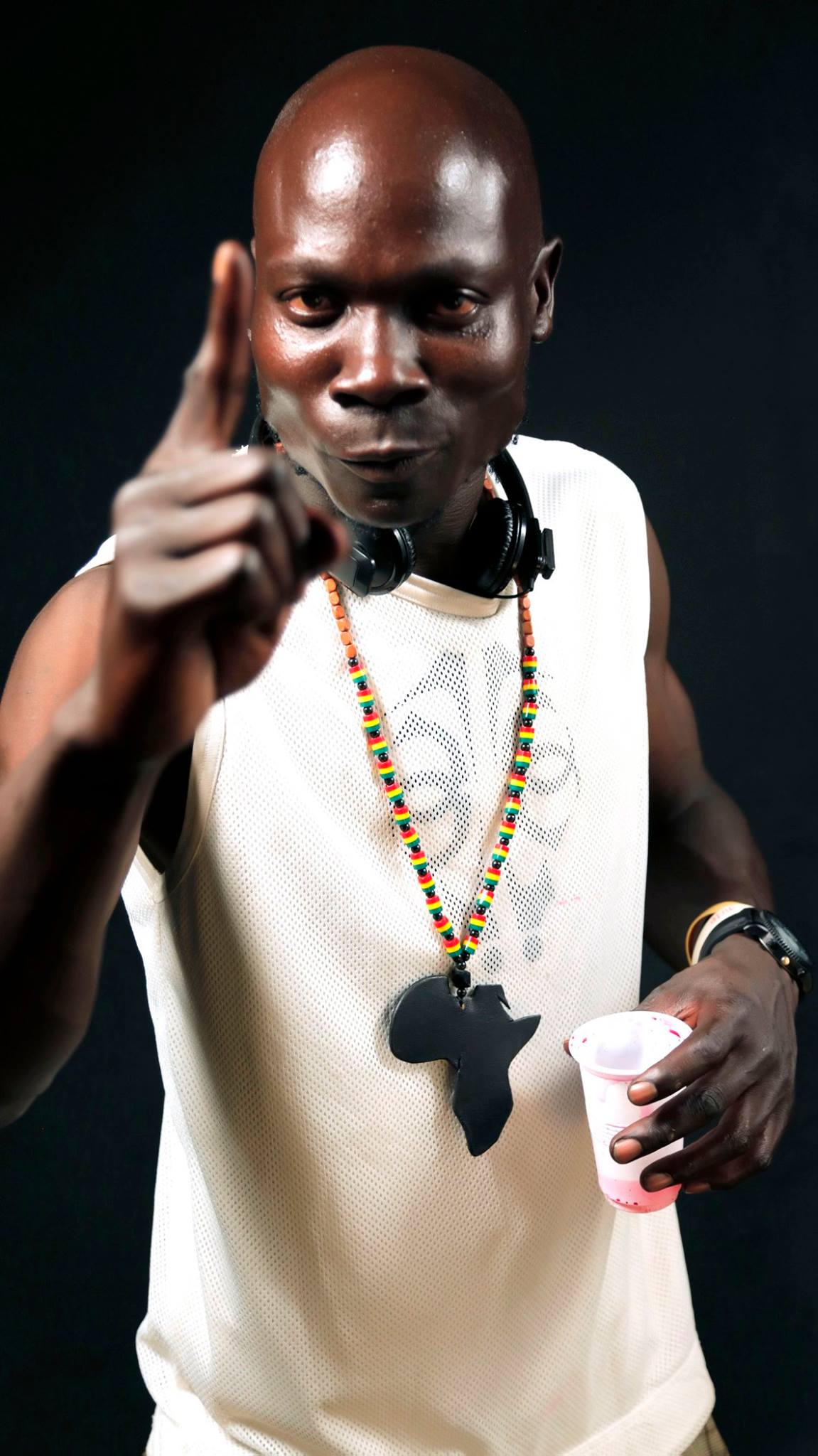
In Uganda, as many as 575 adolescents and young women between the ages of 15 and 24 get infected with HIV every week, according to recent reports from the country's Health Ministry.
Hip Hop appeals to many young people across the globe and is currently the most dominant element of global youth culture. Young people understand the language of Hip Hop.
“If its power is harnessed well, not only through its poetic art form, which is Hip Hop music but also through spreading information on HIV and embarking on sensitization campaigns at youth-oriented events, the prevalence of HIV among the youth will subside,” Ambrose says.
When you subscribe to the blog, we will send you an e-mail when there are new updates on the site so you wouldn't miss them.
About the author

By accepting you will be accessing a service provided by a third-party external to http://masaabachronicle.com/
Comments