7-year-old Keith Galiwango is a sickle cell patient.
In his hometown of Nsotoka in the central Ugandan district of Kayunga, as in many other resource-poor regions of Africa, access to healthcare, diagnosis and treatment for sickle cell disease is often limited.
That status quo, in many ways, indicates that many young African sickle cell patients, especially those facing significant obstacles in accessing appropriate treatment and care, rarely survive beyond the age of five.
Recent statistics from the World Health Organisation (WHO), Africa office, have spoken to this fact.
In its analytical fact sheet titled Sickle Cell Disease: The Silent Killer in Africa, issued in May 2024, the WHO Africa office indicated that 50-80% of African infants born with sickle cell disease die before the age of five.
The continent, by all accounts, has the highest prevalence of childhood mortality from the condition.
This high mortality rate, plus the fact that the continent accounts for 85% of sickle cell disease cases worldwide, has, needless to say, been a major public health concern.
As a result, in recent years, several continental institutions, such as the Africa Health Organisation, the Sickle in Africa initiative, the African Centre of Excellence in Bioinformatics and Data-Intensive Sciences and a group of African scientists, have proposed the adoption of curative CRISPR-Cas9-based sickle cell therapies, a type of genome editing technology to reduce the genetic disorder's high prevalence.
CRISPR-Cas9-based sickle cell therapies like the US Food and Drug Administration Agency (FDA)-approved Casgevy is regarded as a functional cure for sickle cell disease and has been successfully applied to patients. It is a one-time gene therapy treatment for individuals aged 12 and older with the condition.
It uses CRISPR gene editing to modify a patient's own blood stem cells to reactivate the production of fetal hemoglobin, which does not sickle, thus preventing painful crises and reducing anaemia, hospitalisations, strokes and potential organ damage, leading to a normal healthy life for many.
Fast forward, the Africa Health Organisation, or AHO, has already started developing and delivering its one-time CRISPR-Cas9-based sickle cell therapy by the name of exagamglogene autotemcel, or "exacel", to patients in certain regions of Africa, with a stated goal of eliminating the disorder by 2050.
In a news post shared on its webpage earlier this year, the AHO announced that exacel offered hope of a potential cure for sickle cell patients in Africa and the diaspora.
Ostensibly, clinical trials of exacel showed that it stopped painful and unpredictable sickle cell crises – the most common symptom of the condition. It was also reported that AHO researchers had concluded that there was a functional cure in 96.6% of trial participants who received exa-cel.
Needless to say, this development has drawn forth positive responses from seasoned African genomics and bioinformatics scientists such as Gerald Mboowa.
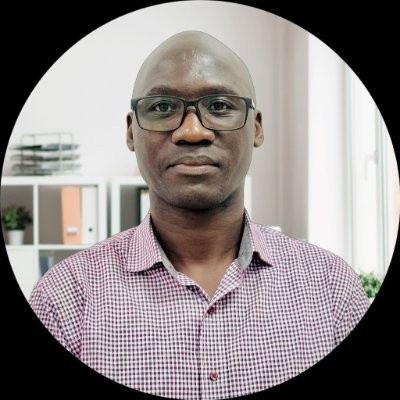
Pictured above is Gerald Mboowa
Mboowa who has in recent years been involved in research that explores CRISPR-based therapies for sickle cell disease is of the view that African governments should advocate for sickle cell disease therapies to be included in global health financing platforms and co-invest in early-stage clinical research infrastructure.
"This can be one of many multi-pronged strategies to ensure that sickle cell patients on the continent eventually have access to therapies like exacel or Casgevy," he said.
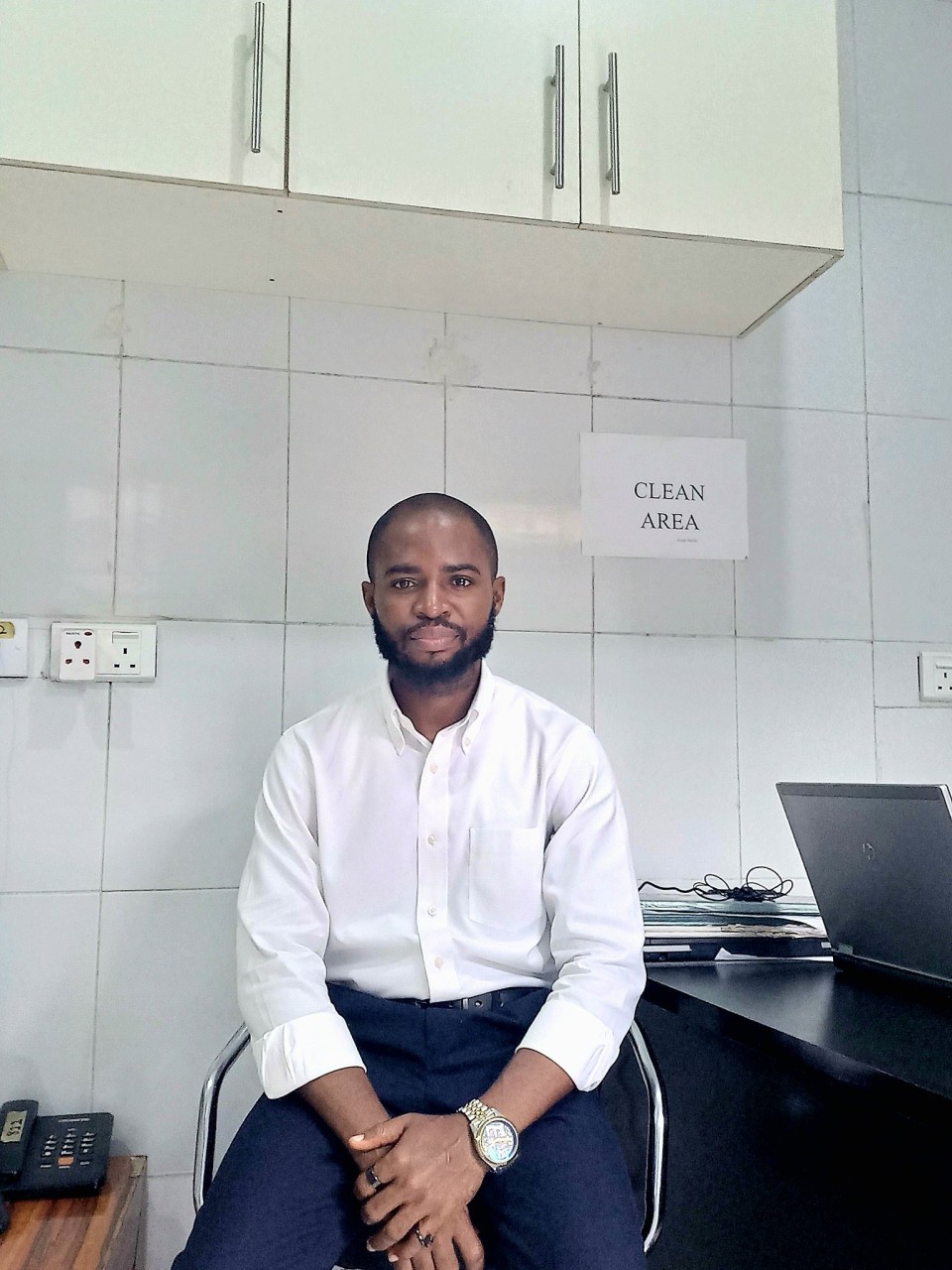
Pictured above is Christopher Aloy Simeon.
Nigerian biomedical scientist, Christopher Aloy Simeon, who has carried out research that among other things, highlights opportunities for CRISPR-Cas9 adoption in Africa, its limitations and current progress stated that CRISPR-Cas9 has the potential to transform the sickle cell treatment landscape in Africa.
"It will transform how African scientists approach molecular therapeutics. By leveraging it, African scientists will be able to develop more targeted and efficient sickle cell disease treatments, thus reducing reliance on traditional methods such as bone marrow transplants, which are limited by donor availability."
The African Health Organisation's exacel is expected to be administered to 5,050 patients annually who are eligible for a stem cell transplant (the process used to deliver the gene-edited cells back into the patient's body) but do not have a matched donor.
This means that patients like Galiwango will benefit if the therapy becomes available in Uganda, which has the fifth largest sickle cell burden in Africa, with 13.3% of children having the disorder and 5,000-20,000 babies born with sickle cell disease every year.
Galiwango's less privileged parents, 48-year-old Sarah Nabakoosa and 53-year-old Davis Katende, say his ongoing battles with the condition have made his life difficult and impacted his education. They are hopeful that Exacel will give him a new lease of life.
But will equitable access come easy?
Kenyan geneticist Alfred Ong'amo acknowledges that equitable access to CRISPR-based sickle cell therapies in Africa will face significant challenges, but national governments and the African Union, which acknowledges the transformative potential of CRISPR technology for addressing challenges in sectors such as public health in its Policy Framework for Applications of Genome Editing in African Agriculture, should proactively negotiate technology transfer agreements, as leveraging them would be one of the ways the continent increases access to gene therapies for sickle cell disease.
"Technology transfer agreements will enable African nations to produce gene therapies locally. This can potentially reduce the cost of these therapies, making them more affordable."
Mboowa observed that to ensure equitable access to CRISPR-based sickle cell therapies, African nations must allocate resources to regional centres of excellence that possess fundamental gene therapy delivery capabilities.
"Secondly, partnerships with academic institutions, pharmaceutical companies, and philanthropic organizations can help transfer knowledge and technology. Training a local workforce in genomic medicine and creating an enabling regulatory environment will be key."
Challenges of Cost
Currently, most CRISPR-Cas9 sickle cell therapies are expensive, meaning they will be inaccessible to many patients on the continent especially those in low-resource settings.
The African Health Organisation's exacel costs £1.65 million, while Casgevy goes for $2 million per patient – a cost far beyond the reach of most people on the continent.
The AHO has, however, struck a deal to offer exacel at a discounted price in member countries.
One strategy to cut costs, Mboowa outlined, would be for African governments to collaborate with pharmaceutical companies and global health donors to establish tiered pricing schemes (a pricing strategy often used for essential goods and services, such as medicines, to balance profitability with affordability and accessibility – an example being pharmaceutical companies offering discounted prices for essential medicines in low-income countries).
Regarding coordinating research and improving infrastructure
Simeon said existing regional platforms like the Sickle in Africa consortium, comprising the Sickle Africa Data Coordinating Center (SADaCC), the Sickle Pan-African Research Consortium (SPARCO), and the Sickle Cell Pan African Network (SPAN), could be instrumental in coordinating research, improving infrastructure, and translating findings into improved health outcomes.
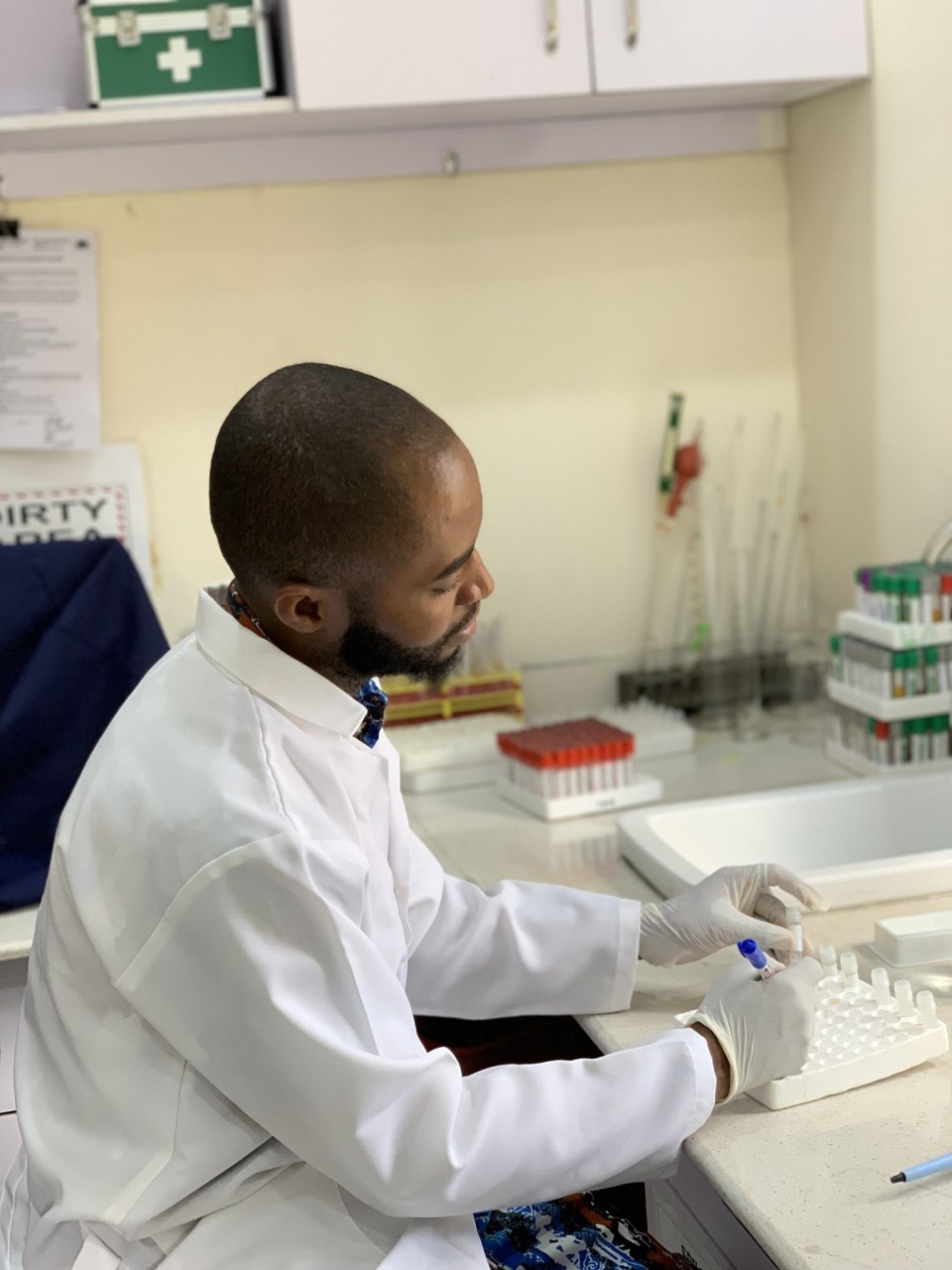
"African governments must invest significantly in local research institutions and create an enabling environment for clinical trials. Conducting trials on the continent will generate safety and efficacy data relevant to African populations. This data will also be critical for regulatory approvals," he said, adding that the next step for African nations with regulatory frameworks in place, like Nigeria and Kenya, should be to update them to include access to gene therapy.
Unaddressed ethical concerns
Despite the potential benefits of CRISPR-based sickle cell therapies, some critics on the continent remain sceptical.
Ethiopian bioethics researcher Ahmed Eskender noted that it would be ill-advised to ignore reports that indicate that sickle cell patients who received Casgevy as a one-time, single-dose intravenous (IV) infusion experienced adverse side effects like low levels of platelets and white blood cells, mouth sores, nausea, musculoskeletal pain, abdominal pain, vomiting, febrile neutropenia (fever and low white blood cell count), headache, and itching.
"Furthermore, why get ahead of ourselves and start talking about establishing sickle cell CRISPR-based treatment services and programs without first determining whether our inadequate healthcare infrastructure can accommodate these technologies. At issue, as well is that we must consider whether CRISPR-Cas9 can be used responsibly in our clinical and research settings without strong regulatory frameworks."
However, Mboowa stated that concerns about the safety of CRISPR-Cas9-based therapies are partially outdated.
"Over 90 CRISPR-based clinical trials are currently underway globally, including successful trials in sickle cell disease. While no technology is without risks, rigorous safety studies and regulatory oversight guide their use. Africa, which has the highest number of people living with sickle cell disease, should not be relegated to passive observation. With proper capacity building, the continent can responsibly participate in and benefit from these trials," he said.
Regarding regulations, Mboowa says Africa needs harmonized, science-driven regulatory frameworks to guide the safe and effective use of genomic technologies.
"Scientists on the continent are actively engaging policymakers through briefings, evidence-based advocacy, and inclusive multistakeholder dialogues aimed at demystifying CRISPR and highlighting its potential health impact. Initiatives such as the proposed network of Genomics Centres of Excellence across Africa, along with the emerging role of the African Medicines Agency (AMA) under the African Union, are strengthening the bridge between research and policy. Ultimately, achieving political buy-in will hinge on clearly demonstrating the public health value of these innovations – an area where African scientists are increasingly taking the lead."